
How Commercial Production Budgets Work (And Where the Money Goes)
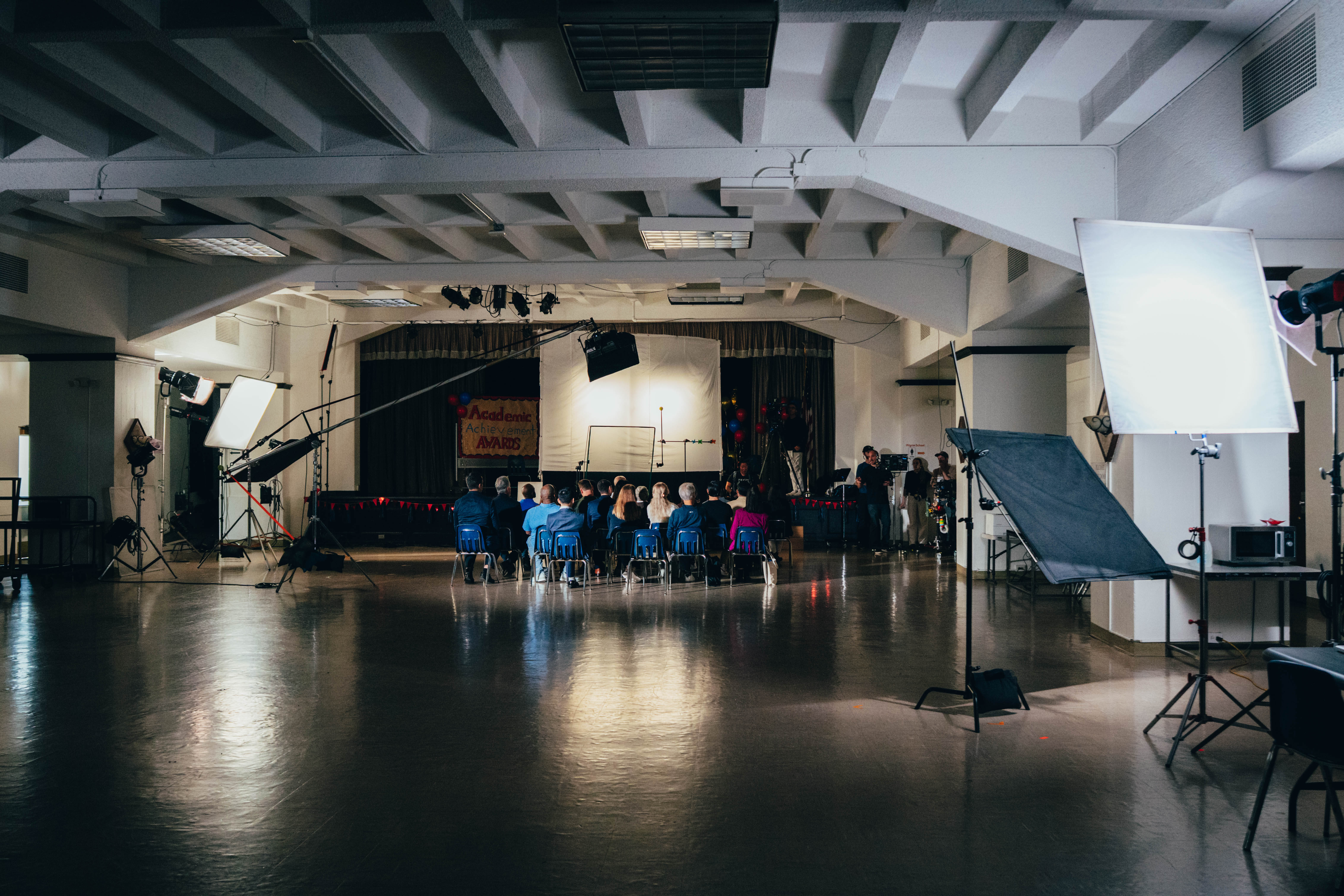
Where Production Budgets Actually Go
One of the questions we hear a lot is where production budgets actually go. When you look at a line-item budget from the outside, it can feel like a long list of numbers without much explanation.
In practice, the budget shapes how the production comes together. It influences how fast a team needs to move, how many people are involved, and what tools are available to execute the idea.
Most productions start with a pretty simple conversation: what are we trying to make, and what will it realistically take to do it well?
FEEE Films operates with an intentionally independent and scalable model. Our core team leads the creative and the production, and then the team grows depending on what the project actually needs.
Because of that approach, budgets tend to grow around the needs of the project rather than forcing the project into a fixed structure.
In most cases, the budget ends up supporting a few major areas: development and planning, the crew, the tools used to capture the work, what appears on screen, and the process of finishing and delivering the final piece.
Once you start looking at production this way, the budget usually makes a lot more sense.
Creative Development and Planning
Long before anyone starts filming, a lot of the real work has already begun.
At this stage we usually work closely with the agency or the client to refine the idea and figure out what the piece should actually feel like. Sometimes the concept already exists. Other times we help shape the idea from the ground up and define the visual direction of the project.
From there the planning begins. Scripts evolve, casting starts to take shape, locations are explored, schedules are built, and the production team begins to come together.
Casting in particular can influence a project more than people expect. Whether the production features actors, real people, or subject matter experts, the person on camera often shapes how the story is experienced. In some cases, casting even shifts how the script develops.
All of these decisions begin to influence the rest of the production. The number of locations, the complexity of the visuals, the type of talent involved, and the environments being filmed all affect how the project is structured.
When this stage is handled thoughtfully, the production itself tends to run much more smoothly.
Crew and Expertise
A large portion of any production budget goes toward the people doing the work.
Commercial production is highly collaborative. Camera teams, lighting crews, production designers, stylists, producers, and many others contribute to what ends up on screen.
Over time, FEEE Films has built a consistent creative team made up of trusted collaborators who have worked together across many productions. That familiarity makes a real difference. When people understand each other’s rhythm and workflow, the production tends to move more efficiently and decisions happen more naturally.
Crew size also affects how a production unfolds.
A larger team can usually move faster and capture more coverage. Multiple cameras may allow a performance to unfold naturally while still protecting the edit. A smaller crew may rely on fewer setups and a tighter schedule.
In production, time is often the resource that affects everything else.
What surprises many clients is how quickly everything connects. Change the crew size and the schedule shifts. Change the schedule and the coverage shifts. That in turn affects how much flexibility exists in the edit.
Fewer crew members often means fewer hours on location and less camera rolling time. That affects how many takes are captured and how many options exist later in the edit.
None of these approaches are better or worse. They simply reflect different ways of executing the work within the boundaries of the budget.
Experienced teams learn how to adapt. When time and resources are limited, preparation becomes even more important. Interviews may be structured more carefully, questions refined in advance, and the production designed to capture exactly what is needed.
The goal stays the same: make the most of the resources available while protecting the creative.
Production Tools and Resources
Another part of the budget supports the tools used to capture the work.
FEEE Films owns a core set of cinema cameras, lenses, and production equipment that we use across many projects. Having that foundation allows us to move quickly and keep consistency across productions.
At the same time, no two projects are identical. It is very common to supplement owned equipment with rentals so the tools match the needs of the project.
The goal is not to use more equipment. It is simply to use the right tools for the idea.
Sometimes a simple setup is exactly what the concept calls for. Other times the creative requires more support. The production adjusts accordingly.
What Appears on Screen
A significant part of the budget also goes toward what the audience actually sees.
Casting, locations, production design, wardrobe, props, and styling all help shape the world of the story. The people on camera often become the focal point of the piece, which makes casting an important creative decision.
When actors or on-camera talent are involved, their compensation and usage rights become part of the production budget as well.
From there, the finished piece may live in many places. Broadcast television, digital platforms, paid media campaigns, and social channels all have slightly different requirements.
The media plan usually determines where the content will run and how long it will remain in circulation.
Post-Production and Deliverables
Post-production represents a meaningful part of many commercial production budgets, and the scope of that work is usually defined early in the process.
One of the first things we ask is a simple question: what exactly needs to be delivered at the end?
A campaign might include a primary commercial, shorter social edits, vertical versions, or platform-specific variations.
In commercial production, the deliverables often shape the workflow just as much as the production itself.
Editing, color, sound, music licensing, voiceover, graphics, and all the different versions that need to be exported take time and coordination. The timeline for stakeholder review and approvals also affects how the process unfolds.
Most campaigns require multiple versions once the main edit is complete. Broadcast cuts, social edits, vertical formats, resized graphics, and platform exports are often part of the final delivery.
Many of these steps are invisible to the viewer, but they are essential to getting a campaign ready to run everywhere it needs to run.
Thinking about those deliverables early helps avoid surprises once the project moves into editing and finishing.
A Budget as a Creative Framework
In the end, a production budget is simply the plan for how the work gets made.
It shapes the pace of the production, the size of the team, the tools involved, and the scope of the final deliverables.
Every project is a little different, so budgets never look exactly the same. Some require larger teams and more complex environments. Others rely on a smaller footprint and a tighter schedule.
FEEE Films’ independent and scalable model allows productions to grow around the needs of the work itself. The structure adjusts to the idea instead of forcing the idea into a preset model.
When a budget is built carefully, every part of the production works toward the same goal: creating work that serves the story, strengthens the brand, and connects with the audience.

.png)